
Protecting your crops.
Thank you! Your submission has been received!
Oops! Something went wrong while submitting the form.
Close

.jpg)
Keeping farm equipment in good shape isn’t just about keeping things shiny. It’s about reliability, accuracy, and protecting your investment. Few machines take as much abuse as agricultural sprayers. They handle chemicals, dirt, and moisture while being expected to perform perfectly every time.
When it comes to cleaning agricultural sprayers, though, many people rush through the process or skip steps altogether. That’s how problems start. A well-cleaned sprayer, on the other hand, lasts longer, works better, and saves money in the long run.
So, how do you do it right? Let’s go step by step.
Even a small amount of leftover chemical can throw off the next batch or clog the nozzles. Over time, residue builds up in the tank, lines, and filters, causing pressure inconsistencies and inaccurate spray patterns. It can also corrode metal parts and damage seals if left too long.
Besides the mechanical side, there’s also the risk of chemical contamination. When one mixture blends with another, the results can be unpredictable. You might damage crops, waste product, or even face compliance issues.
Keeping your sprayer clean prevents all that. It’s a simple habit that adds years to your equipment and makes your applications more precise.
Putting off cleaning until the next morning might seem harmless, but it’s where buildup begins. Residues dry fast and stick to every surface inside your sprayer. Once they harden, removing them becomes much more difficult.
After every job, follow this quick routine:
Those few extra minutes after spraying can save hours of maintenance later.
Different chemicals require different cleaning agents. Some products cling to plastic or rubber, others form sticky residues that ordinary water won’t remove. Understanding how they behave helps you pick the right cleaner.
Here’s a quick guide:
Keeping a small reference chart near your sprayer can help. It’s a simple trick that makes life easier when the season’s in full swing.
The tank is only part of the job. Residue also hides inside hoses, valves, and nozzle bodies. Those tight spaces are easy to overlook but cause most performance issues.
To clean them properly:
The right care for the specific type of nozzle might sound like a small detail, but even slight blockages affect flow rate and spray uniformity. That’s why regular attention pays off.
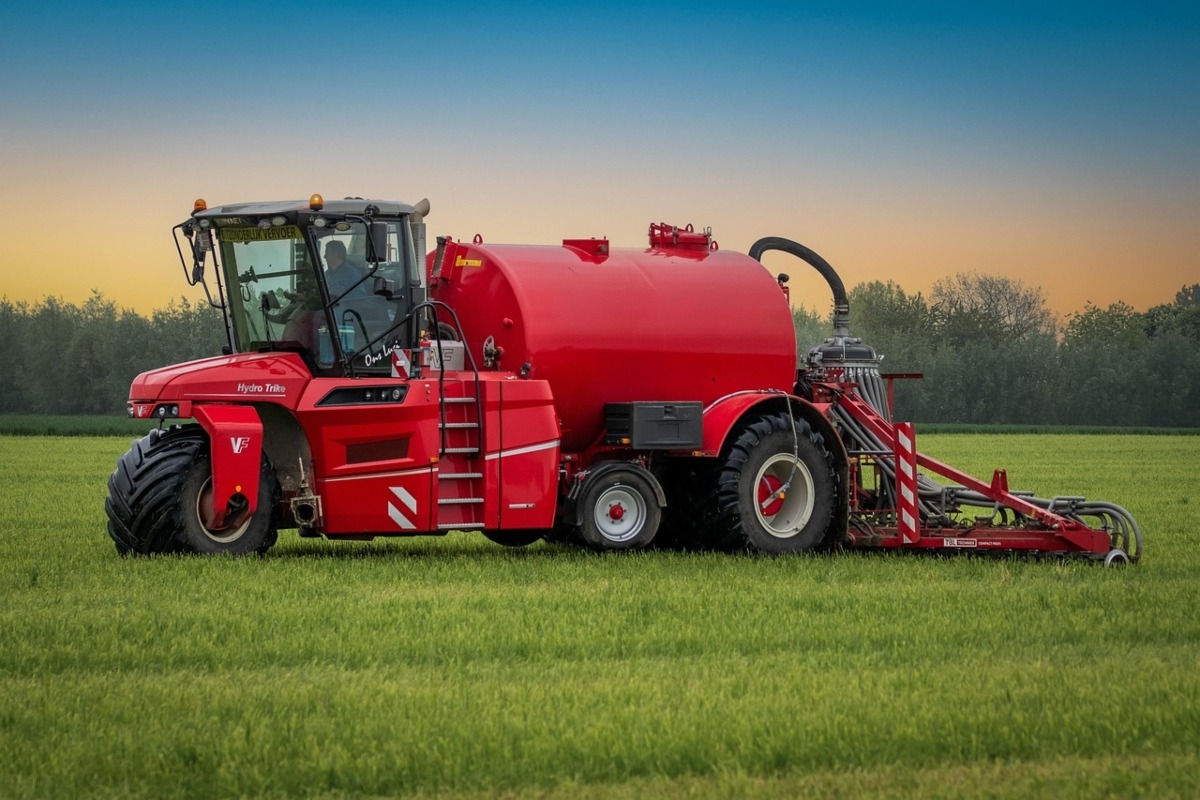
When the spraying season wraps up, give your machine a thorough cleaning before storing it. This isn’t just routine maintenance; it’s protection against time and weather.
Here’s a checklist to follow:
If you live in a region with cold winters, consider running a small amount of antifreeze through the lines to prevent cracking. It’s an inexpensive precaution that saves major repairs in spring.
Many people overlook this, but hard water can make cleaning agricultural sprayers less effective. Minerals like calcium and magnesium react with chemicals and detergents, leaving scale inside the tank and pipes.
If your water is hard, a conditioner or softening agent can help cleaning solutions work better. Some operators even install portable water filters for consistent results. The cleaner the rinse water, the cleaner the system.
Cleaning agricultural sprayers isn’t risk-free. Residual chemicals can still irritate skin or eyes, so protective gear, like gloves, goggles, and long sleeves, should always be part of the process. When working in enclosed areas, wear a mask or respirator to avoid inhaling fumes.
Be mindful of where rinse water goes. Never dump it near wells or open drains. Use designated rinse areas or containment pads so runoff doesn’t contaminate soil or groundwater. Responsible handling protects both your farm and the environment.
Most mechanical failures start with small oversights, like leaving a filter clogged or letting residue dry overnight. Building habits around maintenance prevents those issues. Make cleaning part of your spraying routine rather than something extra at the end.
A clean sprayer gives you consistent pressure, accurate coverage, and fewer calibration problems. It’s one of those quiet efficiencies that make your day smoother.
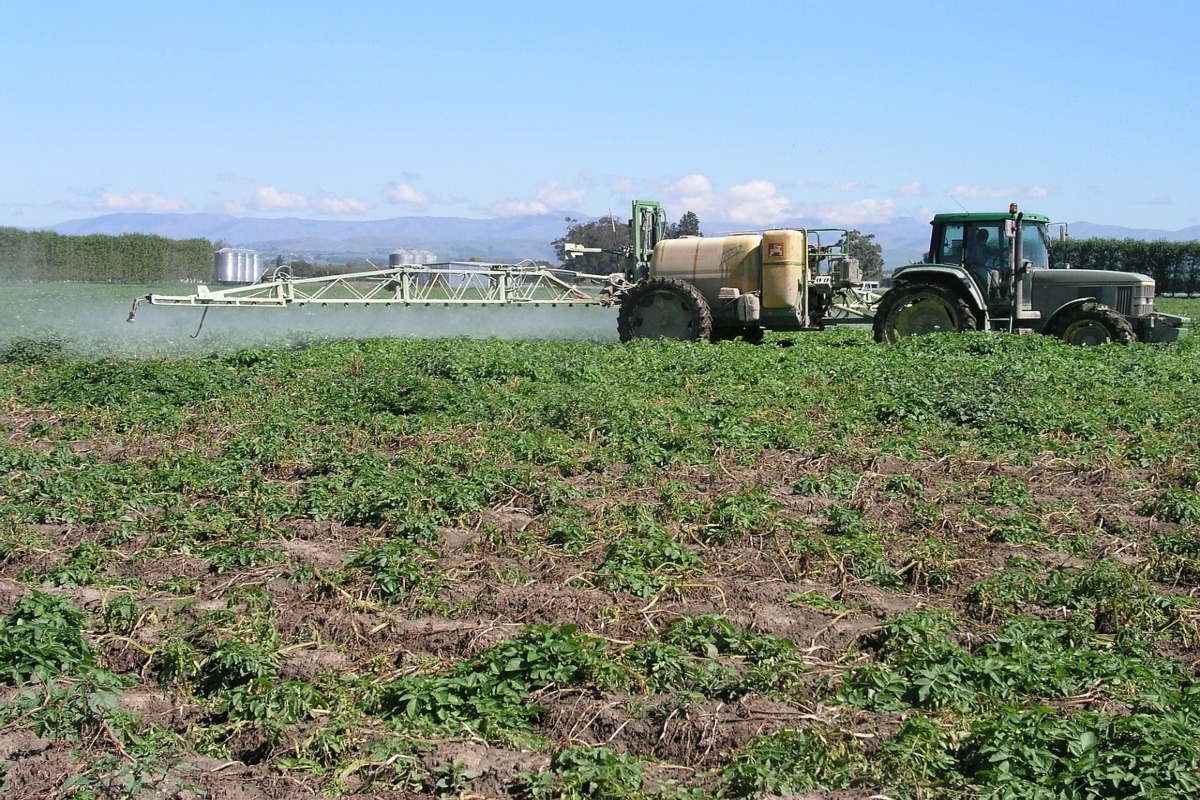
Manufacturers have made progress in simplifying the process. Some newer sprayers feature self-cleaning systems that automatically rinse tanks and booms. Others use specialized nozzles that create a spinning spray to reach every surface inside the tank.
Even older sprayers can benefit from upgrades like quick-drain valves or transparent hoses. They make it easier to see residue and confirm that your system is fully flushed.
The point isn’t to buy every gadget but to make cleaning simple enough that it never gets skipped.
Consistency beats complexity every time. You don’t need a dozen products or a detailed maintenance manual. What matters most is following the same routine each time you use your sprayer. Rinse, flush, clean, inspect, and dry.
Over a season, those steps become muscle memory. Over several years, they become the reason your sprayer outlasts others.
When you take care of your equipment, it takes care of you. Cleaning agricultural sprayers regularly is one of the easiest ways to ensure dependable performance and reduce costly repairs. A few minutes after each job can mean the difference between a smooth season and one full of breakdowns.
Iva MFG builds and supports equipment designed with durability and ease of maintenance in mind. If you want tools that last and expert advice on keeping them that way, our team is ready to help you make every season more productive.
Call us today or find the nearest dealership to learn more about our offer and shipping options, and receive specialized advice on the best type of agricultural sprayer for you!